
Why Custom Enclosure Design Matters for Inverter & Generator Systems
Choosing the Right Enclosure: Safety, Performance, and Aesthetics
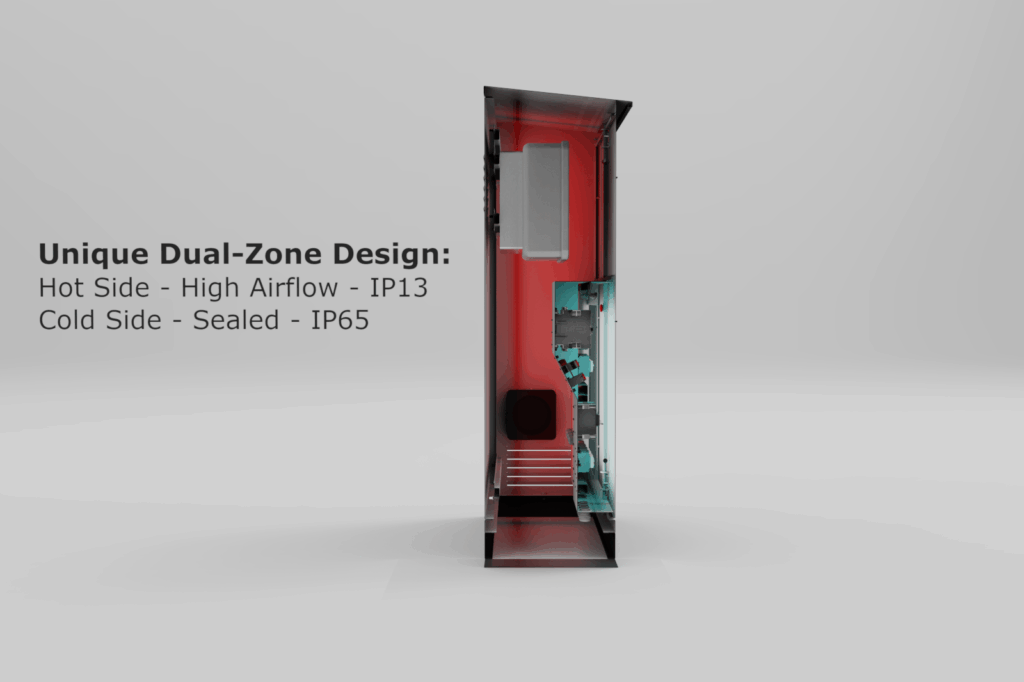
When you’re designing an inverter or generator system, the enclosure is more than just a protective shell. It’s the first line of defense against environmental factors such as dust, moisture, temperature extremes, and electromagnetic interference. A well‑engineered enclosure ensures that the internal components operate within their specified temperature ranges, thereby extending their lifespan and improving overall reliability. Additionally, selecting an enclosure that fits your project’s aesthetic and space constraints can make a significant difference in how the system is perceived by end users and regulatory bodies alike. In this service, we collaborate with you to identify the most suitable enclosure type—whether it’s a rugged IP66 steel housing for outdoor installations or a sleek IP65 plastic enclosure for indoor setups—while balancing cost, durability, and ease of maintenance.
Mechanical Layout Delivery: From Concept to Component Placement
Our mechanical layout phase transforms your system’s conceptual design into a tangible, printable blueprint. Using state‑of‑the‑art CAD tools, we meticulously map out every component—high‑power inverters, transformers, breakers, fuses, and more—within the chosen enclosure. This layout includes clear labeling of mounting holes, cable entry points, ventilation slots, and heat sink placements, ensuring that the physical installation will proceed without surprises. We also provide 3‑D visualizations that allow you to virtually walk through the enclosure, verifying that every part fits as intended. By presenting a detailed mechanical layout early in the project, we reduce the risk of costly rework, streamline the procurement process, and give you confidence that the final assembly will meet all functional and safety requirements.
Electrical SLD & Wiring Diagrams: The Blueprint for Safe and Efficient Power Flow
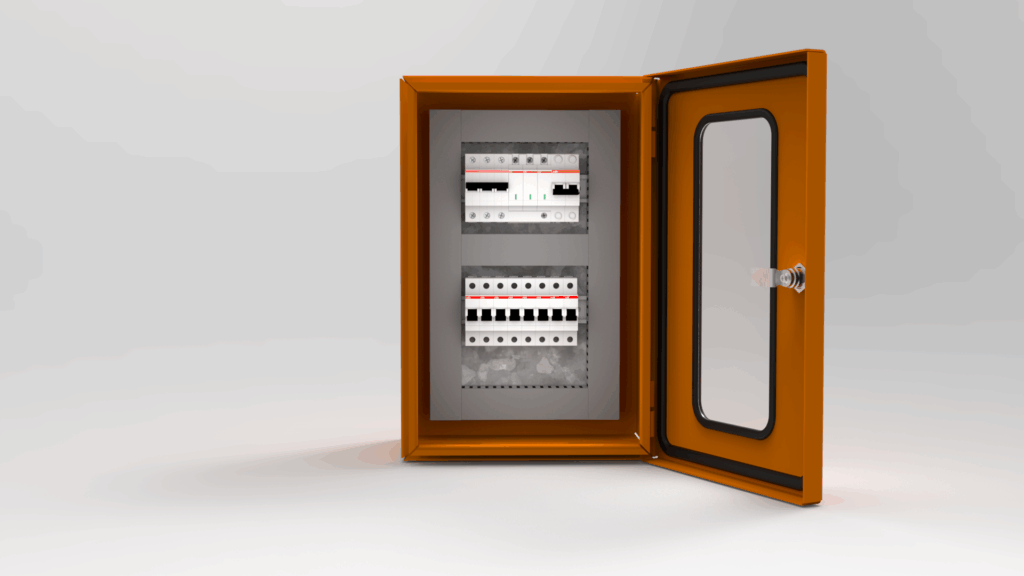
Electrical safety and reliability hinge on clear, accurate schematics. Our service delivers a comprehensive Single‑Line Diagram (SLD) that maps every electrical connection—from power input through distribution panels to the final load—highlighting voltage levels, protection devices, and grounding paths. Following the SLD, we produce a detailed wiring diagram that specifies wire sizes, insulation types, and routing paths. This level of detail is essential for compliance with local electrical codes and for ensuring that the system can handle peak loads without overheating or tripping breakers. By providing these documents upfront, we empower your installation team to fabricate and assemble the system with confidence, reducing on‑site errors and accelerating the commissioning timeline.
Enclosure Part Numbers & Procurement Support: Seamless Turnaround from Design to Delivery
Once the mechanical and electrical plans are finalized, we compile a list of enclosure part numbers tailored to your project specifications. This list includes OEM references, dimensions, mounting hardware, and any required accessories such as cable glands or ventilation filters. By providing these precise part numbers, we eliminate ambiguity that can lead to costly delays. Moreover, our established supplier relationships enable us to source high‑quality components quickly, ensuring that your project stays on schedule. Whether you need a single enclosure or a series of custom housings for a large‑scale deployment, our procurement support guarantees that every element of your design is available when you need it.