
Transform Your 2D Handdrawings into Precise 3D CAD Models for Manufacturing
1. The Business Value of 2D‑to‑3D CAD Conversion
In today’s fast‑paced manufacturing ecosystem, a single 2‑dimensional drawing can be the key to unlocking the entire product development pipeline. Whether you’re a product designer, an engineer, or a small‑business owner, having a robust 3D CAD model available can dramatically reduce time‑to‑market, lower prototyping costs, and enable more accurate simulation, tolerance analysis, and tooling design. Converting a hand‑drawn, dimensioned 2D sketch into a fully defined 3D CAD model turns static information into an interactive, manufacturable asset. This conversion also ensures seamless communication with suppliers and CNC machines, reduces errors caused by misinterpretation of drawings, and provides a clear visual reference that can be used for marketing, investor pitches, or regulatory submissions. The bottom line is that 2D‑to‑3D CAD conversion is not just a technical upgrade—it’s a strategic investment that can yield measurable ROI across the entire product lifecycle.
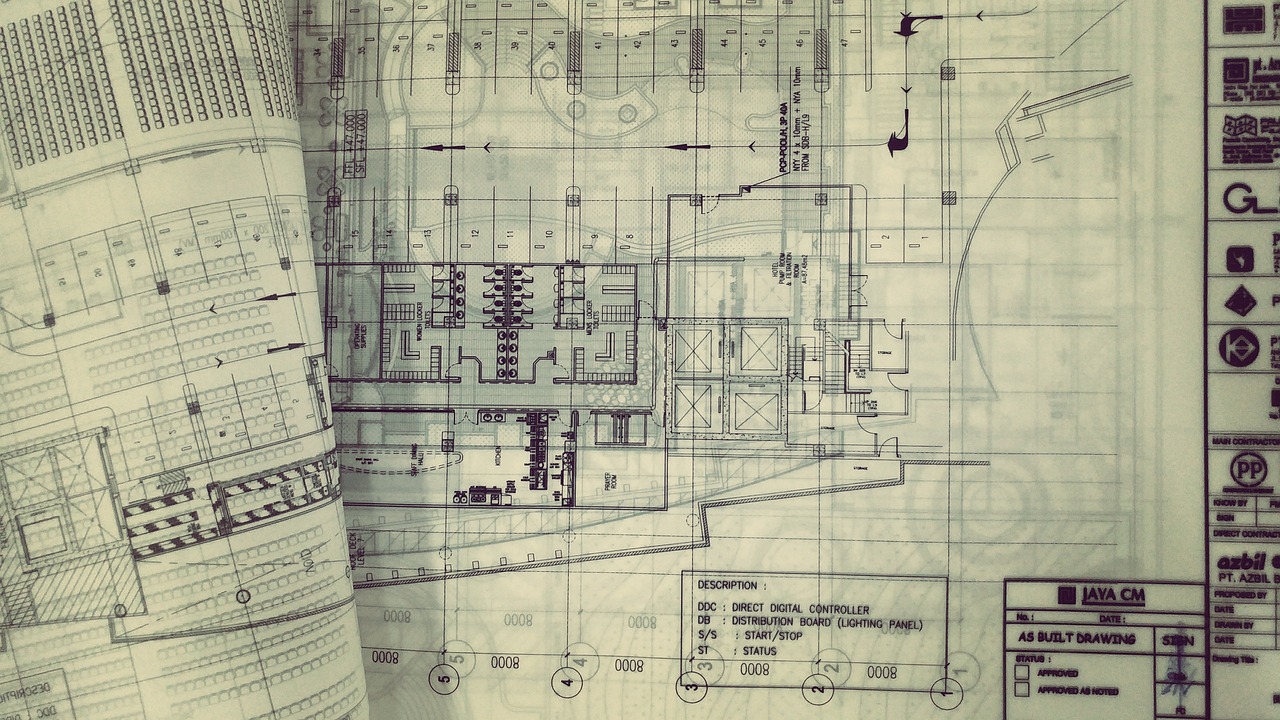
2. Our End‑to‑End Conversion Process
We follow a disciplined, multi‑step workflow that guarantees accuracy, consistency, and completeness. First, we capture the 2D drawing—whether it’s a hand‑drawn sketch, a PDF, or a scanned image—and import it into a professional CAD environment. Next, we carefully trace and dimension each feature, using automated tools where possible to accelerate the process while still applying manual validation for critical tolerances. We then build the geometry, defining surfaces, edges, and volumes that fully respect the original design intent. After the model is constructed, we apply material assignments, define feature hierarchy, and perform integrity checks to ensure the model is assembly‑ready. Finally, we export the model in the file format best suited to your manufacturing workflow—STEP, IGES, STL, or native CAD files—ready for simulation, 3D printing, or CNC machining.
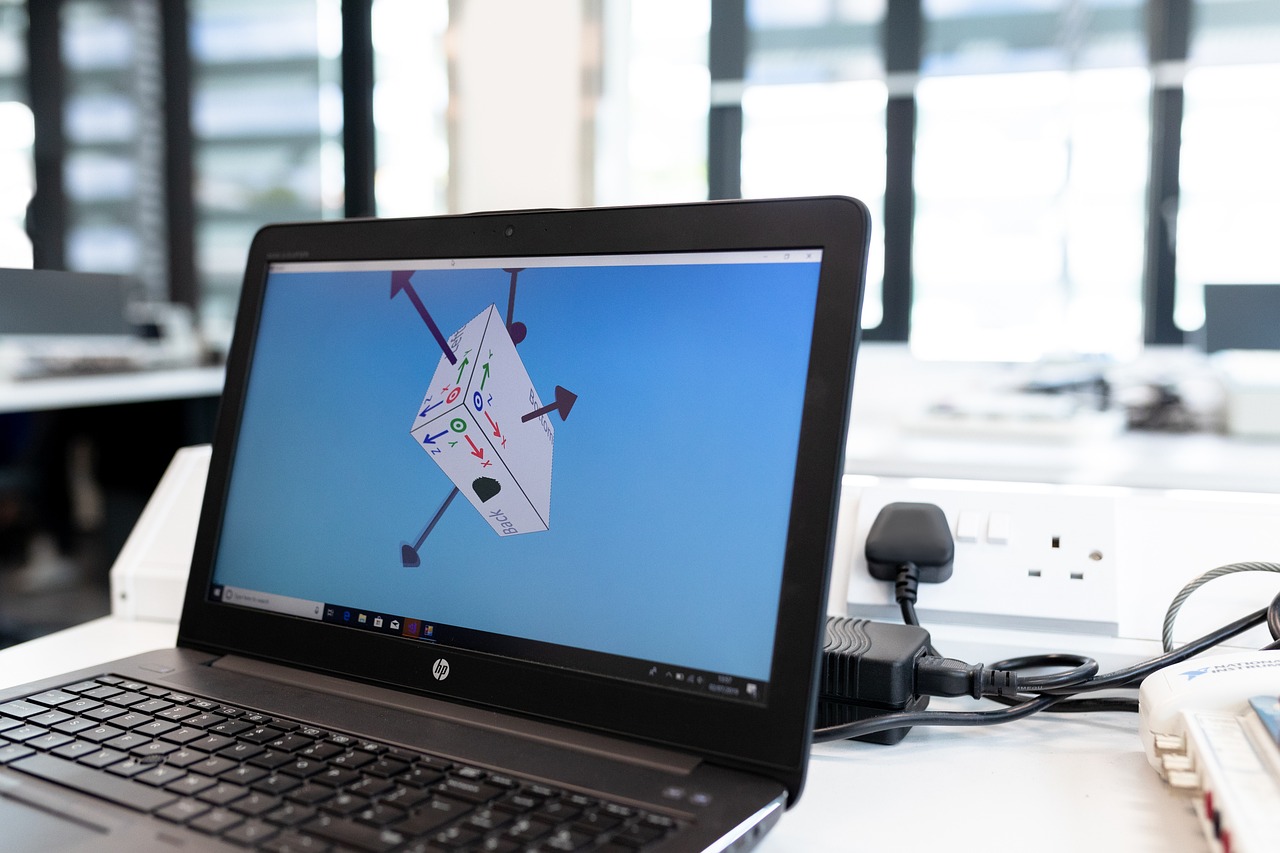
3. From Simple Parts to Complex Assemblies
Our conversion expertise covers the full spectrum of product complexity. For simple mechanical parts—such as brackets, gears, or housings—we can deliver a clean, parametric 3D model in a matter of hours, complete with fully defined dimensions and tolerances. For more complex assemblies—think multi‑piece enclosures, ergonomic tools, or intricate mechanical linkages—we build a detailed assembly structure that mirrors the original design intent, ensuring that every part fits together correctly. In both cases, we provide fully annotated models that include feature definitions, material properties, and any required surface finish specifications. If your project involves custom machining features, such as undercuts or non‑circular cut‑outs, we model those intricacies accurately to avoid costly rework during manufacturing. The result is a set of high‑quality, manufacturable CAD files that save time, reduce risk, and improve the overall quality of your final product.
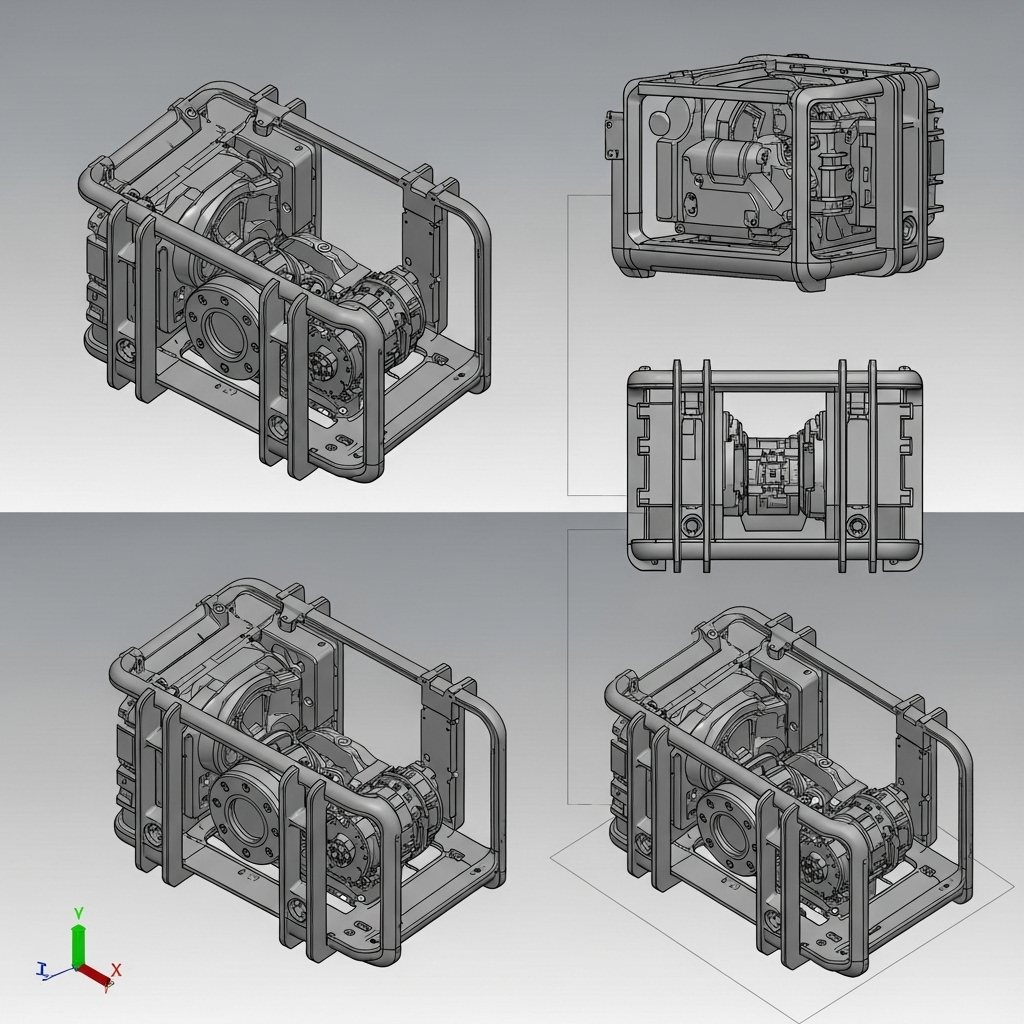
4. Getting Started—Simple, Transparent, and Fast
Ready to convert your 2D drawings? Getting started is as easy as sending us a quick message. In the first step, we’ll review your drawings to confirm they contain all necessary dimensions and tolerances. Once approved, we’ll provide a transparent quote based on the complexity of the part or assembly, and outline a clear project timeline. Throughout the conversion, we’ll keep you informed with progress updates and opportunities to review and approve the model before final delivery. After you receive the completed 3D CAD files, you’ll have the flexibility to export them into any format required by your downstream processes—be that a CAM toolpath, a rapid‑prototype printer, or an industrial machining setup.
Whether you’re a startup needing a quick prototype or an established manufacturer looking to digitize legacy drawings, our 2D‑to‑3D CAD conversion service delivers precision, speed, and reliability. Contact us today to discuss your project and take the first step toward a more efficient, error‑free product development cycle.