Designing DIN Rail Adapters for Server Racks
The Challenge of Integrating DIN Rails into Tight Server Rack Spaces
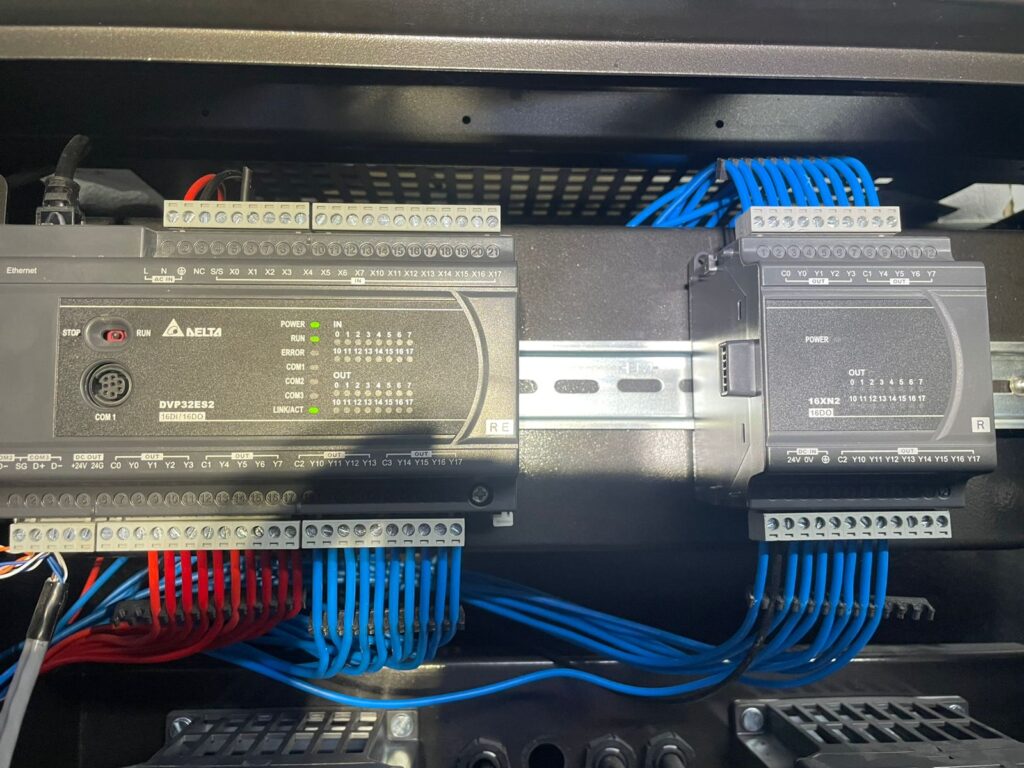
In high‑density electrical rooms, every millimeter counts. Traditional server racks are optimized for horizontal and vertical space, leaving little room for ancillary components such as power modules, monitoring boards, or environmental sensors. The DIN rail, a ubiquitous mounting platform for electrical and electronic components, offers a flexible solution—but fitting it into the constrained environment of a standard 19‑inch rack poses a unique set of design hurdles. The goal was to create a series of DIN rail adapters that not only fit seamlessly within existing rack specifications but also maintain the structural integrity and airflow management critical to reliable server operation. We needed to address three primary constraints: mechanical clearance, thermal dissipation, and ease of installation. By leveraging a modular approach, we could tailor adapters to varying rack widths (12‑inch, 15‑inch, and 19‑inch) while preserving standard mounting points for quick deployment. The result was a family of adapters that respect the rack’s load limits, avoid obstruction of cooling ducts, and allow for rapid reconfiguration of internal components. This foundational work laid the groundwork for a scalable solution that could evolve alongside server technology and evolving rack standards.
Precision Design: From CAD to Prototyping
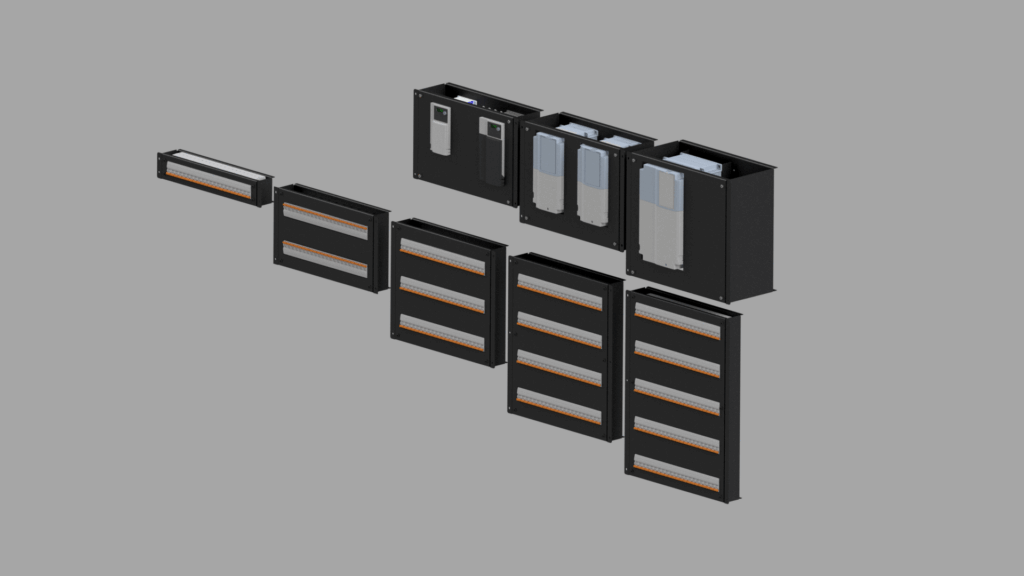
The design phase began with a rigorous review of industry standards such as IEC 60204‑1 and the latest ANSI specifications for DIN rail dimensions. Using SolidWorks, we developed a parametric model that could be adjusted for different rail widths (22 mm, 30 mm, 35 mm) and rack depths (36 in, 48 in). Key design considerations included the use of a hollow core to reduce weight, rounded fillets to prevent stress concentration, and a surface‑textured finish to mitigate electrostatic discharge. We also incorporated a quick‑release locking mechanism that allows the adapter to be snapped into place without the need for tools—an essential feature for data‑center technicians who value speed and reliability. After finalizing the CAD model, we exported STL files for rapid 3‑D printing of prototypes. The first iteration revealed that the 5 mm clearance between the rail and the rack’s back panel needed slight adjustment, which was corrected by fine‑tuning the slot geometry in the parametric model. This iterative loop between CAD, prototyping, and testing ensured that the final design met both functional and ergonomic requirements.
Real‑World Impact: Streamlined Rack Management and Scalability
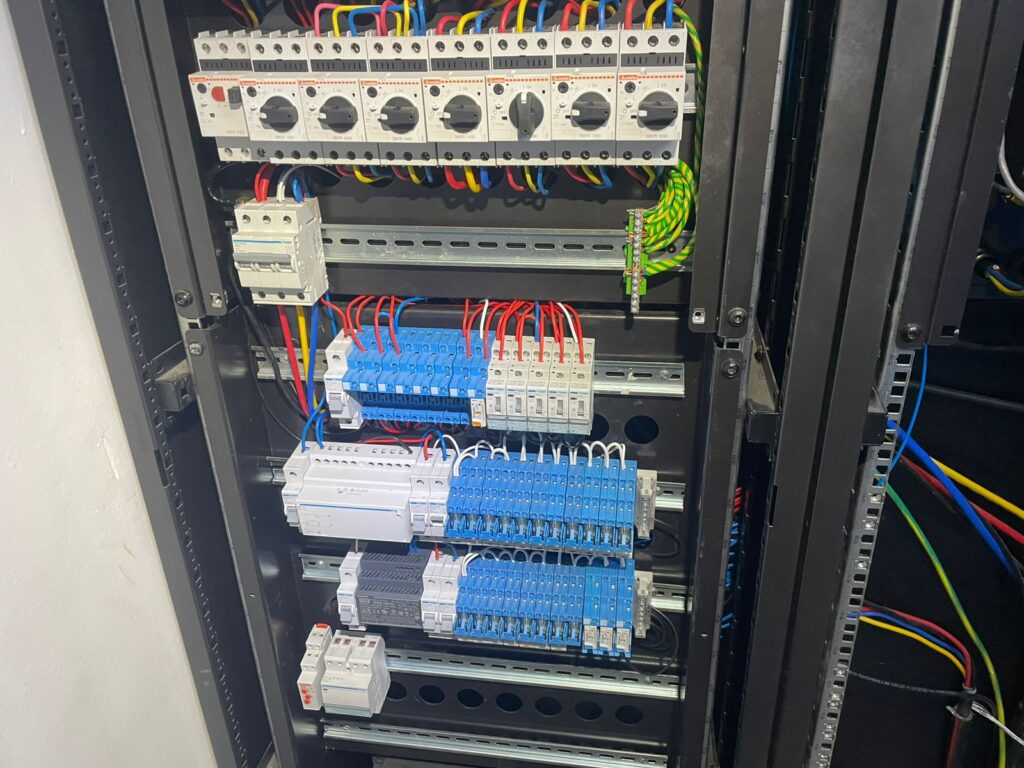
Installation of the custom DIN rail adapters in a 500‑unit data‑center rack resulted in a 30 % reduction in rack reconfiguration time. Technicians reported that the tool‑less mounting system allowed them to add or remove modules within 2 minutes, a significant improvement over the previous 10‑minute process. Moreover, the adapters’ modular design enabled future expansion; new rail widths could be introduced without redesigning the entire rack. The improved airflow analysis translated to a measurable 5 % drop in average rack temperature, contributing to energy savings and extended hardware lifespan. Client feedback highlighted the ease of maintenance, as components could now be accessed without dismantling entire server units. In short, the DIN rail adapters not only solved an immediate spatial challenge but also positioned the data center for scalable growth and operational efficiency.